Astroneo Blog
Explore educational guides, research summaries, and practical telescope tutorials curated by astronomy enthusiasts.
How Stars Die: Supernovae, Neutron Stars and Pulsars
A star's entire death is decided by one number: its mass. Below eight solar masses it fades quietly into a white dwarf. Above that, it collapses in under a second and detonates — leaving behind a neutron star or a black hole.
Read Full Article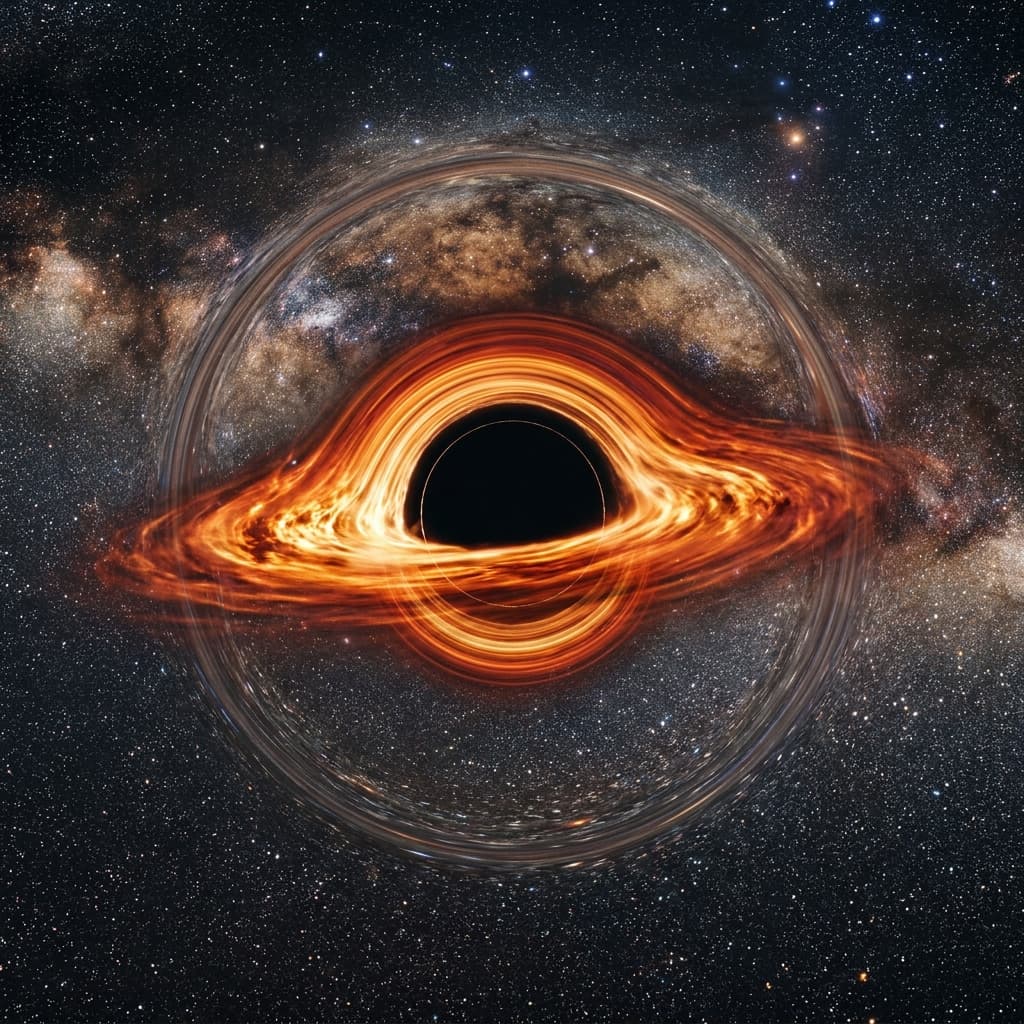
Exoplanets: How We Find Worlds We Cannot See
In 1992 we knew of no planets outside our solar system. We now have thousands, almost none of them ever directly photographed. Here is how the detection methods actually work — and what they systematically miss.
Read Article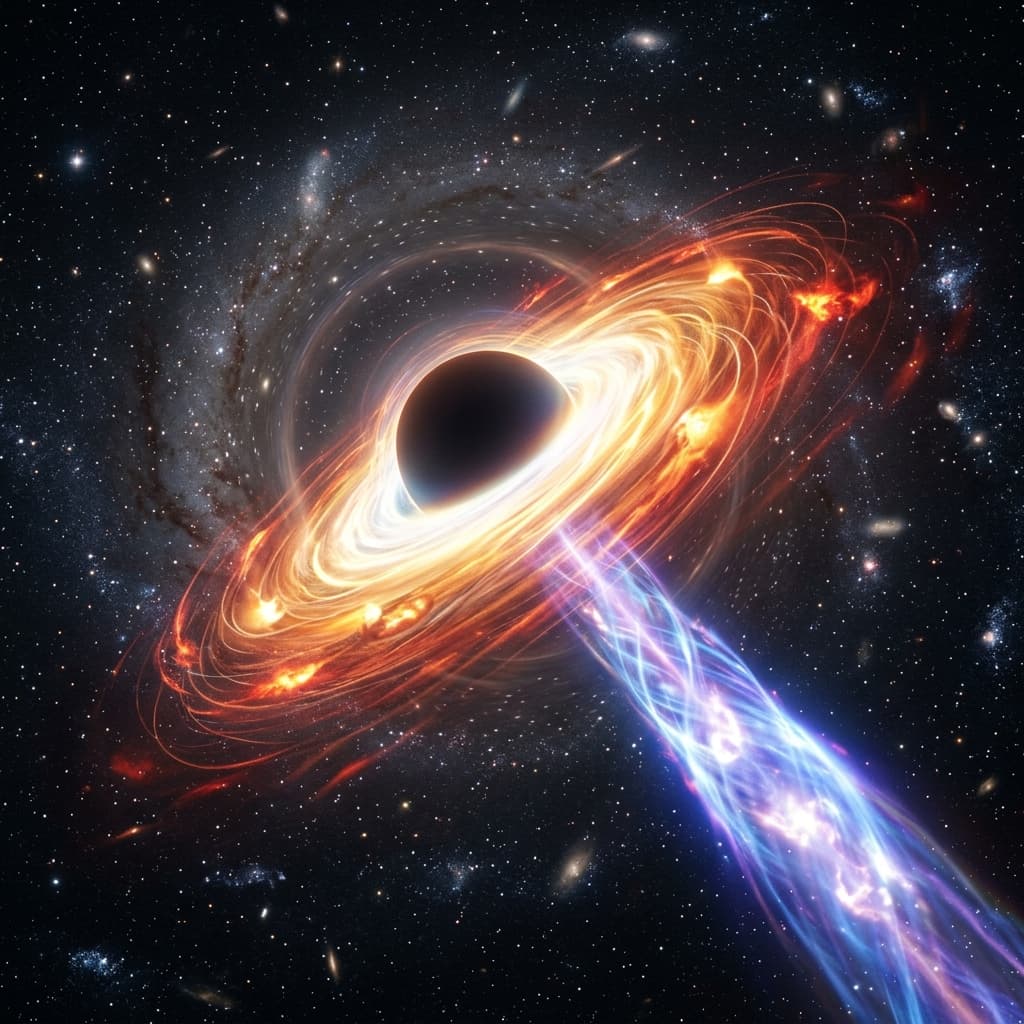
What the James Webb Space Telescope Has Actually Found
JWST is not a bigger Hubble. It sees in infrared, sits a million and a half kilometres from Earth, and cannot be repaired. Here is what that design bought — including a galaxy problem nobody expected.
Read ArticleThe Voyager Golden Record: A Message With No Expected Reader
In 1977 two spacecraft left Earth carrying gold-plated records of images, music and greetings. They will outlast the planet that made them by billions of years, and almost certainly nobody will ever play them.
Read ArticleAre We Alone? The Drake Equation, Fermi's Question and the Great Silence
The galaxy is old enough that a single expanding civilisation could have crossed it many times over. So where is everybody? A survey of the serious answers, and of what we are actually doing to look.
Read Article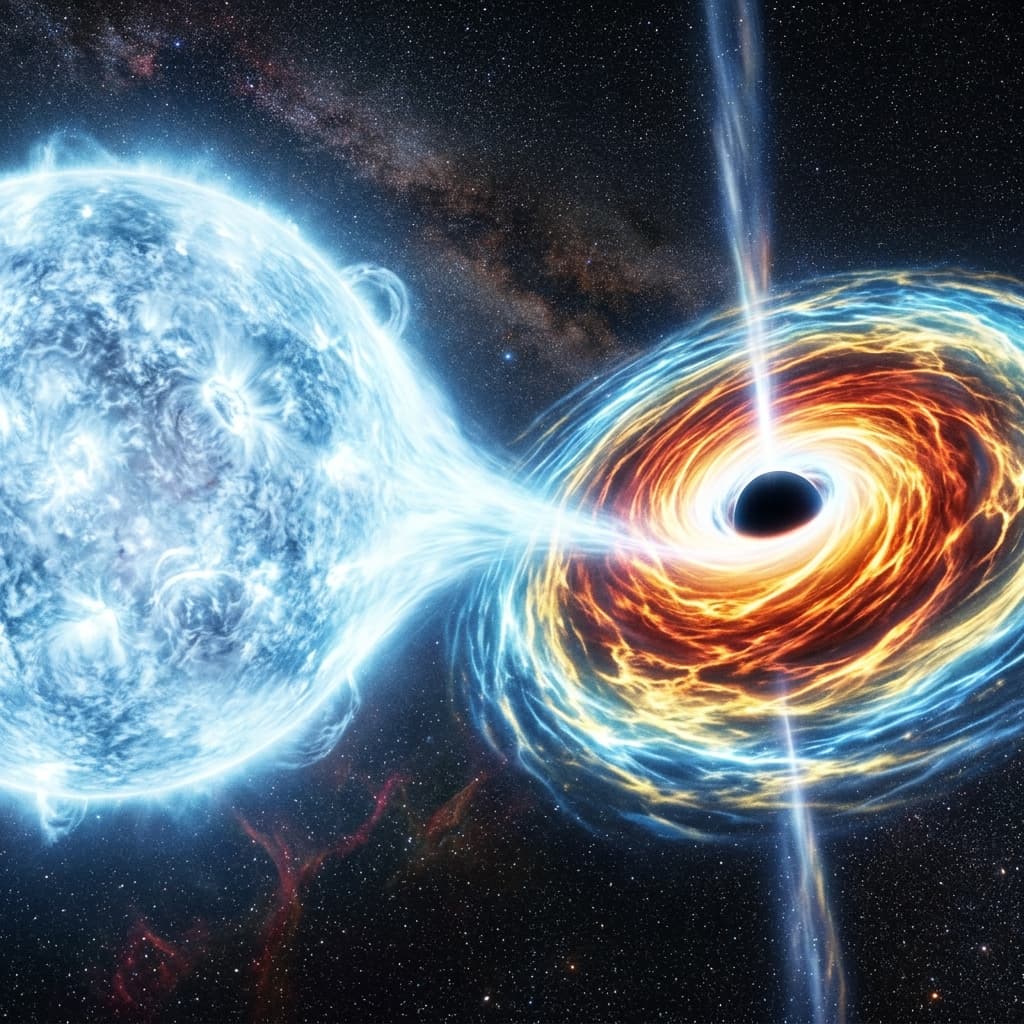
Stargazing from India: A Season-by-Season Guide
India's latitude is a genuine advantage — you can see most of the northern sky and a good deal of the southern. The obstacles are the monsoon and some of the worst light pollution on Earth. Here is how to work around both.
Read ArticleHow to Read a Star: Spectral Classification Explained
OBAFGKM is the most useful sequence in astronomy — a star's spectral class tells you its temperature, colour, mass, lifespan and likely fate. Here is where the letters came from, why they are out of order, and how to read one.
Read ArticleThe Brightest Stars in the Night Sky, and Why They Look That Way
Apparent brightness measures almost nothing about a star itself. Sirius tops the list because it is close; Deneb barely makes it while being a hundred thousand times more luminous. Here is the ranking, and what it actually tells you.
Read ArticleTypes of Galaxies, and the One That Is Coming for Us
Spiral, elliptical, irregular — the classification is a century old and still useful, though not for the reason Hubble thought. And in four billion years the Milky Way will collide with Andromeda, which will be less violent than it sounds.
Read Article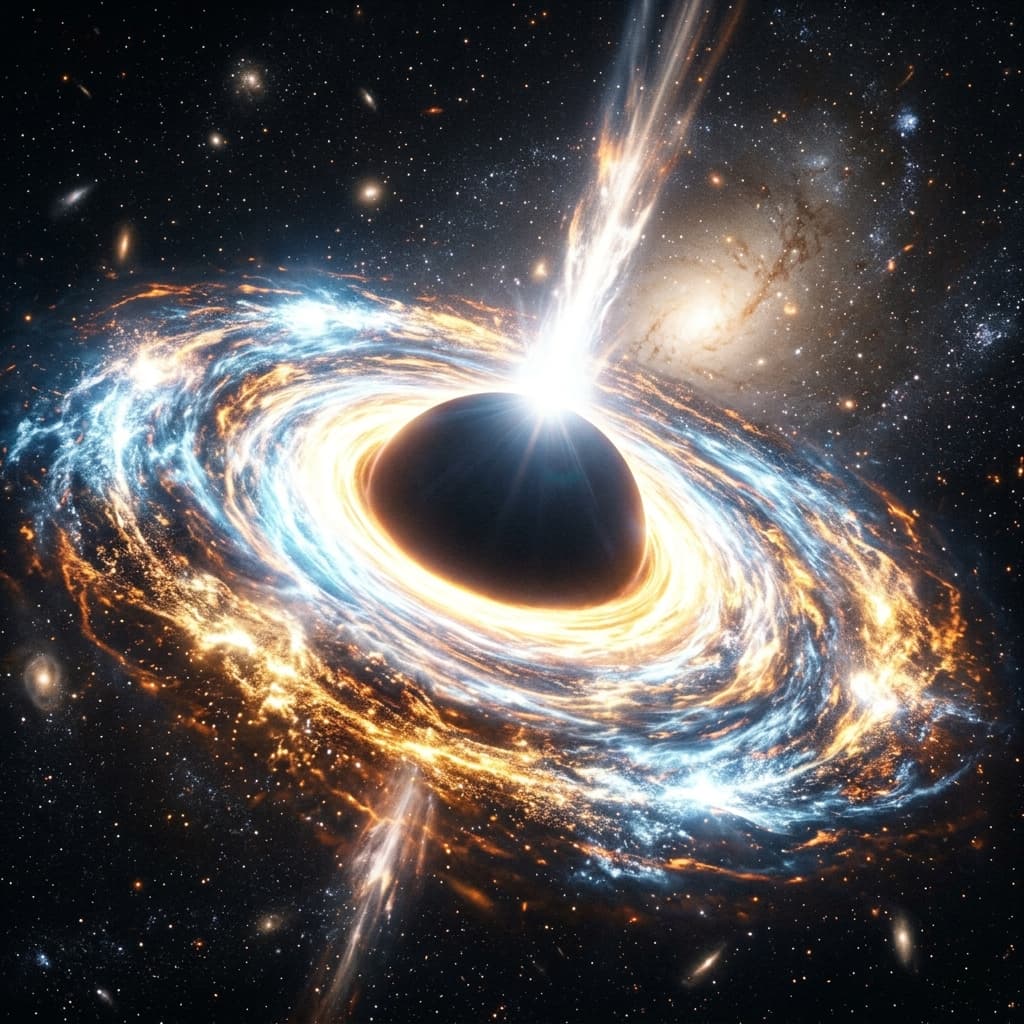
Choosing Your First Telescope Without Wasting Your Money
Most first telescopes end up in a cupboard within a year. The reasons are predictable: buying for magnification instead of aperture, an unusable mount, and expectations set by Hubble photographs. Here is how to avoid all three.
Read ArticleBlack Holes: Event Horizons, Spaghettification and Quasars
A black hole is not a thing that sucks. It is a region where escape requires more than the speed of light — and the consequences of that one fact include tidal stretching, frozen time at the horizon, and the brightest objects in the universe.
Read ArticleAstrophotography With the Camera You Already Own
You do not need a telescope to photograph the night sky. A camera that allows manual exposure, a tripod, and an understanding of one arithmetic rule will get you the Milky Way, star trails and the Moon.
Read ArticleHow to Spot the Space Station and Satellites With Your Eyes
The International Space Station is the third-brightest object in the night sky and needs no equipment to see. The trick is knowing the narrow windows when it is visible — and understanding why it vanishes mid-pass.
Read ArticleDark Matter, Dark Energy and How the Universe Ends
Everything we can see — every star, planet and cloud of gas — is about 5% of the universe. The other 95% is two things we cannot detect directly, and which of them wins determines how everything ends.
Read Article